
Wellness in Asia is changing. Consumers are becoming more informed, more selective and less impressed by vague promises. At the same time, busy urban lifestyles are creating demand for solutions that are simple to understand, convenient to use and easy to fit into everyday routines. That combination — science plus simplicity — is shaping some of the most important wellness trends of 2026. Global consumer research from Euromonitor describes a move toward “Rewired Wellness”: people increasingly expect wellness products to feel credible, validated and purposeful rather than purely aspirational. In Asia Pacific, the market is also being shaped by strong interest in beauty-from-within, healthy longevity, sports nutrition and modern product formats. Here are five shifts worth watching — and what they mean for everyday wellness.
1. Healthy ageing is becoming an everyday category, not an “old-age” category
Healthy ageing used to be marketed almost exclusively to seniors. That is changing. More consumers in their 30s, 40s and 50s are thinking earlier about mobility, energy, muscle, cognition, sleep and metabolic health. The focus is increasingly on maintaining function and quality of life rather than waiting until age-related decline becomes obvious. This is helping to drive interest in categories such as protein, calcium and vitamin D, omega-3s, joint-support nutrients and products positioned around active ageing. The key is not to treat supplementation as a shortcut. Healthy longevity is still grounded in movement, nutritious food, adequate sleep, healthy body composition, social connection and preventive healthcare.
2. “Beauty from within” continues to grow in Asia
One of the clearest regional trends is the continued blurring of beauty and wellness. Euromonitor reported that beauty became the second-largest leading positioning in the Asia Pacific and Australasia vitamins and dietary supplements market in 2025. Collagen remains a familiar hero ingredient, but the category is broadening to include vitamin C, hyaluronic acid, probiotics and other nutrients linked to skin, hair and nail positioning. This reflects a broader mindset: consumers increasingly see appearance as part of total wellbeing rather than as a separate cosmetic concern. For consumers, the sensible approach is to look beyond the headline ingredient. A credible beauty supplement should still be judged on formulation quality, appropriate dosage, transparency, safety and whether the product fits into a balanced diet and lifestyle.
3. Gut health is moving from niche interest to daily routine
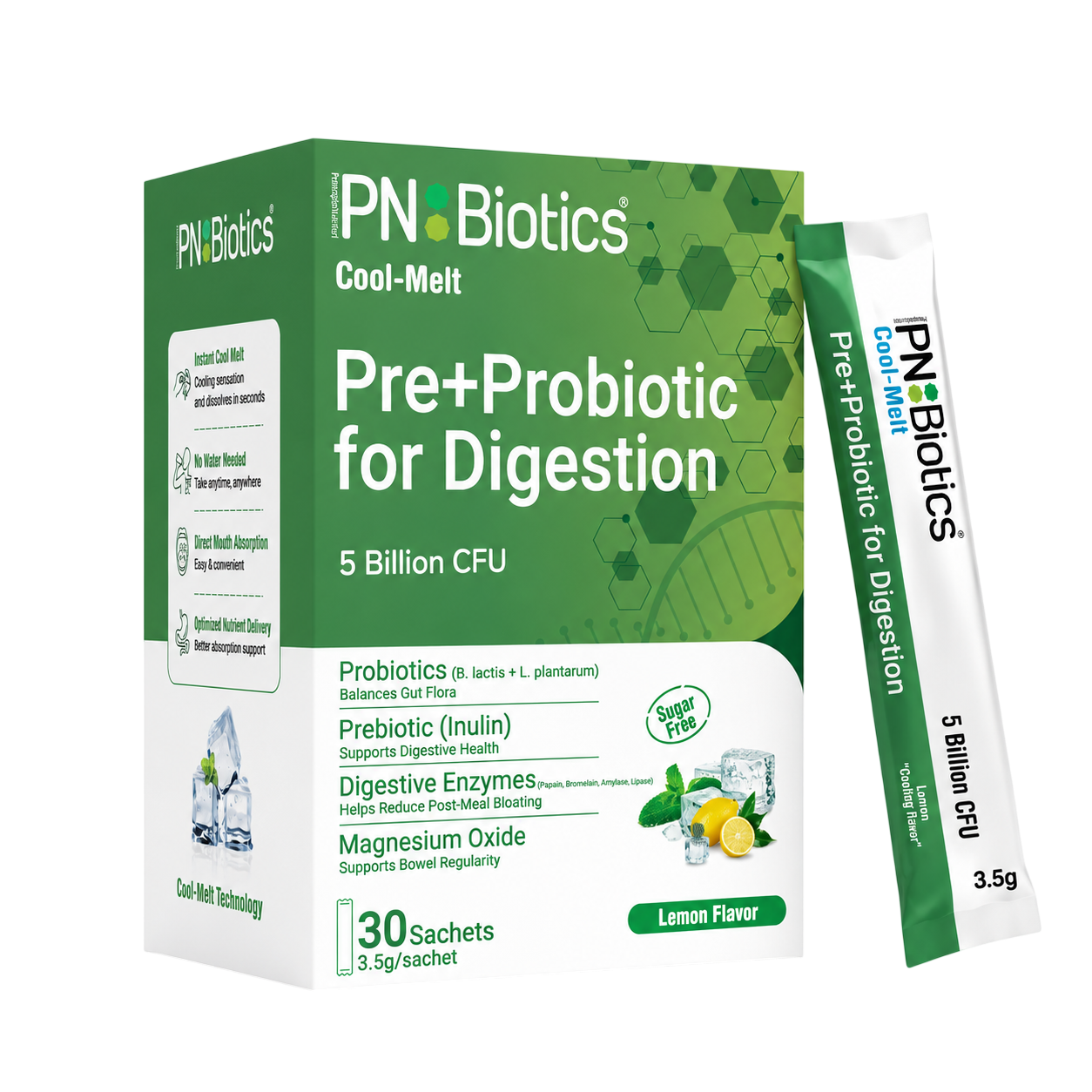
Gut health remains one of the most persistent wellness priorities globally. McKinsey’s wellness research has found strong consumer interest in gut health across China, the United Kingdom and the United States, with many consumers expecting it to become a higher priority over the next few years. In Asia, this fits naturally with familiar fermented foods and dietary traditions, while modern product categories are expanding around probiotics, prebiotics, fibre and convenient digestive-support formats. The practical foundation remains simple: eat a varied diet with fibre-rich plant foods, drink enough fluids and include fermented foods where they are well tolerated. Supplements can complement this foundation, but they should not be used to compensate for a consistently low-fibre diet. For probiotic products, strain identity, storage requirements and evidence for the intended use matter more than simply choosing the product with the biggest number on the label.
4. Protein is becoming a mainstream wellness product — not just a gym product
Sports nutrition continues to expand beyond serious athletes. Euromonitor reported global sports-nutrition value growth of about 9% between 2024 and 2025, supported by gym culture as well as growing interest in healthier ageing. That shift is easy to understand. Protein is relevant not only to people who train intensely, but also to busy adults who skip meals, older consumers concerned about maintaining muscle, and people trying to improve the nutritional quality of snacks and breakfasts. This is creating demand for protein powders, ready-to-drink products, high-protein foods and convenient single-serve formats. Still, context matters. Protein should complement real food rather than crowd it out, and individual needs vary. For most people, the goal is not “maximum protein”; it is sufficient protein distributed sensibly across the day.
5. Convenience is becoming part of product quality
A technically excellent product is not very useful if people dislike taking it. That is why format innovation is becoming increasingly important in Asia. Gummies, powders, stick packs, sachets, effervescent products, chewables and fast-dissolving formats can make daily routines easier for consumers who do not enjoy swallowing large tablets or who travel frequently. South Korea in particular continues to influence supplement innovation through modern formats and beauty-and-wellness positioning. But convenience should never come at the expense of formulation quality. Consumers should still check serving size, sugar content where relevant, ingredient amounts and whether the format can reliably deliver the intended nutrients.
What “premium wellness” increasingly means
Premium no longer has to mean complicated. For today’s consumer, premium wellness can mean: • a formulation with a clear purpose; • ingredients and dosages that can be explained simply; • quality standards that inspire confidence; • convenient formats that fit real routines; • transparent communication without exaggerated promises; and • products designed with local lifestyles, diets and preferences in mind. That last point matters in Asia. A product developed for an Asian consumer should consider more than packaging language. It should consider food habits, climate, travel patterns, preferred formats, family purchasing behaviour and the realities of busy urban life.
Build your wellness routine around what you will actually sustain
Trends can be useful signals, but they are not a personal health plan. Before adding another product to your routine, ask three simple questions: What am I trying to support? Be specific — sleep, mobility, digestion, protein intake or another genuine need. What is already covered by my diet and lifestyle? Start with the foundation. Will I use this consistently and appropriately? A realistic routine usually beats an ambitious one that lasts two weeks. The strongest wellness routines are rarely the most complicated. They are the ones that combine credible science with habits that work in real life. That is where the next chapter of Asian wellness is heading: more informed, more personal, more convenient — and increasingly focused on long-term wellbeing rather than short-term hype.
Principle Nutrition
USA Technology. Singapore-Led. Globally Made. Built for Asia. This article is for general educational purposes and does not replace individual medical or dietary advice.
Wellness articles are provided for general educational information and should not replace personalised medical, nutritional or healthcare advice.