
Healthy ageing is not only about adding years to life. It is also about protecting the strength, balance and mobility that help us stay independent, active and confident in everyday life. That is why muscle and bone health deserve attention long before they become a problem. From midlife onward, the body gradually becomes less efficient at maintaining muscle mass and strength. Research also shows that age-related muscle loss can accelerate later in life, especially when physical activity and protein intake are low. At the same time, bone is constantly being remodelled, and factors such as ageing, hormonal change, nutrition and inactivity can affect long-term bone strength. The encouraging part is that daily habits matter. Movement, resistance exercise, balanced nutrition and appropriate nutrient intake can work together to support healthy ageing.
1. Strength training is one of the most useful investments you can make
Walking, cycling and swimming are excellent for cardiovascular fitness, but muscle-strengthening activity plays a different role. The World Health Organization recommends that adults perform muscle-strengthening activities involving the major muscle groups on at least two days each week. These activities do not need to mean heavy bodybuilding. Resistance bands, body-weight squats, wall push-ups, light dumbbells and supervised gym training can all be effective when they are performed consistently and progressed appropriately. Strength work can support more than appearance. Stronger muscles contribute to better movement, balance, posture and everyday function — from climbing stairs and carrying groceries to getting up from a chair with confidence. For people who are new to resistance exercise, start gradually. Good technique and consistency matter more than lifting the heaviest weight.
2. Protein works best as part of an active lifestyle
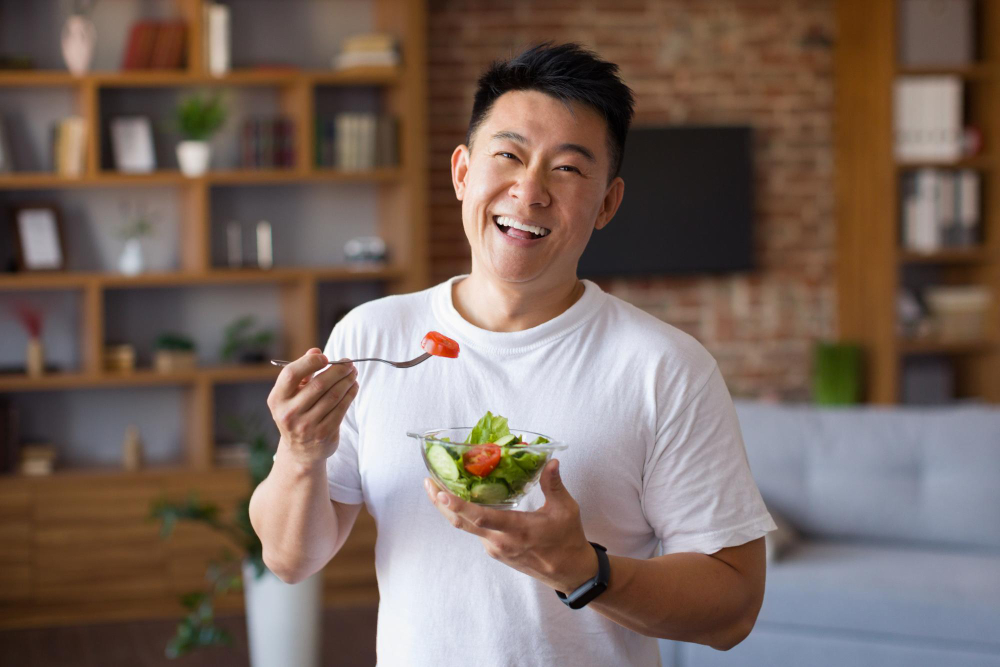
Protein supplies amino acids that the body uses to build and repair tissues, including muscle. A useful habit is to include a meaningful source of protein at each main meal rather than relying on one very large serving at the end of the day. Practical Asian-friendly options include eggs, fish, chicken, tofu, tempeh, soy foods, dairy or fortified alternatives, beans and lentils. Recent reviews continue to support the importance of combining adequate nutrition with resistance exercise for older adults. Protein supplementation by itself is not a substitute for activity; its value is greatest when it helps close a genuine dietary gap and supports an overall strength-building routine. Protein needs can vary with age, body size, activity level and medical conditions. People with kidney disease or other conditions affecting protein intake should speak with a healthcare professional or dietitian before making major changes.
3. Calcium supports the structure that carries you every day
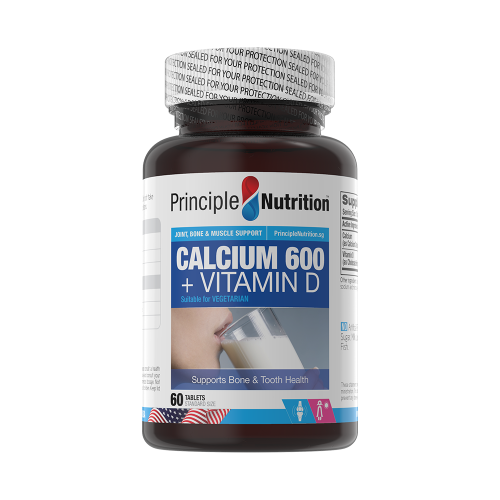
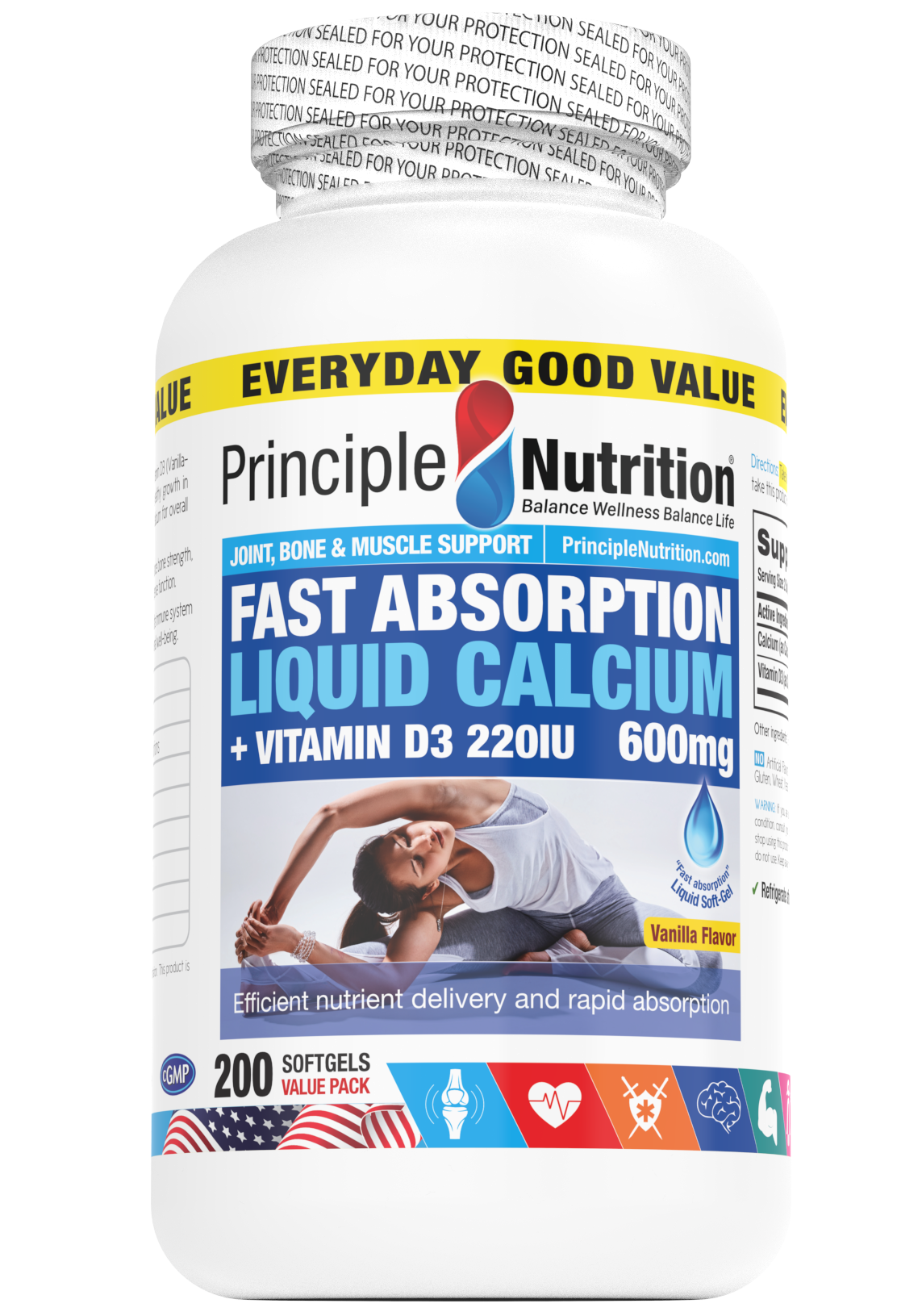
Almost all of the body’s calcium is stored in bones and teeth. Calcium also plays roles in muscle function, nerve signalling and other normal body processes. Calcium-rich foods include milk, yoghurt and cheese, as well as calcium-fortified soy drinks, calcium-set tofu, sardines with edible bones, bok choy, kale and other selected vegetables. The best approach is usually to look first at the total diet. If calcium intake is consistently low, a supplement may be useful for some individuals, but more is not automatically better. Recommended intakes differ by age, sex and country, and excessive supplemental calcium can create unnecessary risk in some people.
4. Vitamin D and calcium work together — but vitamin D is not a “more is better” nutrient
Vitamin D helps the body absorb calcium and is important for normal bone and muscle function. Sun exposure can contribute to vitamin D status, but modern lifestyles often mean long indoor hours, sun avoidance, covered clothing or limited exposure. Food sources are also relatively limited, which is why vitamin D is commonly discussed in bone-health nutrition. However, high-dose vitamin D is not automatically beneficial. Recent reviews continue to highlight that both deficiency and excessive intake can be undesirable. Supplementation should therefore be appropriate to the individual rather than based on the assumption that a larger dose must be better. If you are concerned about vitamin D status — especially if you are older, have osteoporosis risk factors or have been advised to avoid sun exposure — discuss testing and supplementation with a qualified healthcare professional.
5. Do not forget balance, mobility and the “small movements” of the day
Healthy ageing is built between workouts too. Long periods of sitting can reduce opportunities for muscles to work. Simple habits such as taking short walking breaks, using stairs when practical, standing during phone calls and carrying light shopping can add useful movement throughout the day. For older adults, balance-focused exercises are also important. Tai chi, controlled single-leg work, heel-to-toe walking and supervised balance training can help build confidence and movement control.
A simple weekly framework
You do not need a complicated routine to begin. Most days: Move regularly and break up long periods of sitting. 2 or more days per week: Include resistance or strength exercises for the major muscle groups. At each main meal: Include a quality source of protein. Across the week: Include calcium-rich foods and a varied diet with vegetables, fruit, whole grains and healthy fats. If needed: Discuss vitamin D, calcium or protein supplementation with a healthcare professional based on your diet, age and health status.
The Principle Nutrition perspective
Healthy ageing is not built around a single “miracle” ingredient. It is built through consistent habits supported by evidence-based nutrition. For Asian consumers balancing long workdays, family commitments and increasingly sedentary lifestyles, the most practical approach is often the most sustainable: move regularly, build strength, eat well, and use targeted nutrition only where it adds genuine value.
Principle Nutrition
Premium Wellness. Made Accessible. Built for Asia. This article is for general educational purposes and does not replace individual medical or dietary advice.
Wellness articles are provided for general educational information and should not replace personalised medical, nutritional or healthcare advice.