
Wellness in Asia is changing. The old idea of “being healthy” as simply exercising more or taking a daily multivitamin is giving way to something broader: better sleep, smarter nutrition, stress management, healthy ageing, appearance, mobility and everyday energy are increasingly being viewed as connected parts of the same routine. Recent 2026 consumer research supports that shift. PwC’s global Voice of the Consumer survey — covering more than 21,000 adults across 27 markets including China, Hong Kong, Indonesia, Malaysia, the Philippines, Singapore, Thailand and Vietnam — found that improving sleep is now a major health goal for consumers. A separate 2026 Asia-Pacific wellness survey of more than 10,000 respondents across 11 markets found that 82% consider holistic health very or extremely important, with sleep, stress management, nutrition and weight management among the areas people most want to improve. The message is clear: wellness is becoming less about chasing one dramatic result and more about building routines that are realistic enough to repeat.
Trend 1: Healthy Ageing Is Becoming an Everyday Goal
“Longevity” is one of the biggest wellness words of 2026, but the more useful concept is healthspan — maintaining strength, mobility, cognitive function and independence for as many years as possible. This matters in Asia, where ageing populations are reshaping consumer priorities. Healthy-ageing products are moving beyond traditional senior nutrition and into mainstream adult wellness. Categories attracting attention include: • Protein for everyday strength and active lifestyles • Calcium and vitamin D for bone-health nutrition • Omega-3 products • Joint and mobility formulations • Cognitive and eye-health nutrition • Sleep and stress-support products The best starting point, however, remains lifestyle: regular resistance and aerobic exercise, adequate protein and overall nutrient intake, good sleep, and routine health screening appropriate for age and risk. A supplement should support that foundation — not replace it.
Trend 2: Beauty From Within Is Becoming Mainstream Wellness
Beauty supplements are no longer a niche corner of the category in Asia. Euromonitor reported in 2026 that “beauty” had become the second-leading positioning in the Asia-Pacific and Australasia vitamins and dietary supplements market, behind general health. Collagen remains highly visible, but the category is becoming broader and more science-conscious. Consumers are seeing products built around vitamin C, hyaluronic acid, antioxidants, probiotics and other nutrition-led beauty concepts. At the same time, the conversation is shifting from “anti-ageing” toward supporting skin hydration, structure, resilience and healthy ageing. That is a healthier direction. Skin appearance is affected by many factors — including sun exposure, smoking, sleep, hydration, diet, stress, hormones and genetics — so no supplement should be presented as a standalone solution. Practical rule: protect skin from excessive UV exposure, eat a balanced diet with enough protein and colourful plant foods, sleep consistently, and treat supplements as an optional addition rather than the entire routine.
Trend 3: Gut Health Is Expanding Beyond Digestion
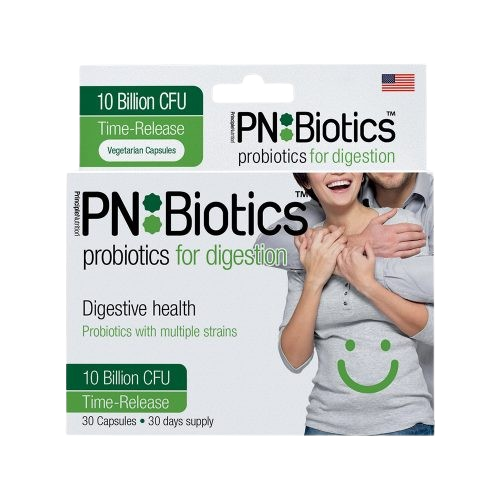
Gut health remains one of Asia’s strongest wellness platforms, but the language is evolving. Consumers are now encountering prebiotics, probiotics, postbiotics, synbiotics and “gut-skin” concepts across capsules, sachets, gummies, powders and functional foods. This reflects real scientific interest in the microbiome, but the smartest consumer approach is still grounded: prioritise dietary fibre, varied plant foods, adequate hydration and an overall balanced diet first. When choosing a microbiome-focused product, look for specificity rather than hype. Clear strain identification, transparent ingredient amounts and realistic claims are more meaningful than vague promises to “reset” or “detox” the gut.
Trend 4: Protein Has Moved Beyond the Gym
Protein used to be marketed mainly to bodybuilders and serious athletes. In 2026, that positioning looks increasingly outdated. Industry data shows protein products continuing to expand into mainstream wellness and active-ageing routines. Consumers are using protein in breakfast, snacks, ready-to-drink beverages and convenient nutrition products — not simply after workouts. For most people, the more important question is not “Which protein is trending?” but “Am I getting enough high-quality protein across my day?” Asian meals can make this practical with fish, eggs, chicken, dairy, soy milk, tofu, tempeh, edamame, beans, lentils and other protein-rich foods. Supplements can offer convenience when appetite, schedule or lifestyle makes food intake less consistent.
Trend 5: Sleep and Stress Are Becoming Core Wellness Categories
Sleep is no longer being treated as something that happens after the day is finished. It is increasingly recognised as a central part of performance, mood, recovery and long-term wellbeing. That shift is showing up in consumer behaviour and product innovation. Categories associated with nighttime routines — including magnesium, L-theanine, selected botanicals and other relaxation-oriented formulations — are receiving more attention. But this is also where responsible wellness communication matters. Evidence differs widely between ingredients, formulations and individuals. Before adding a sleep product, check the basics: • Keep a reasonably consistent sleep and wake time. • Reduce bright screens and stimulating activity close to bedtime. • Avoid very heavy meals late at night when possible. • Watch the timing of caffeine, especially if you are sensitive to it. • Keep the bedroom dark, quiet and comfortably cool. • Seek professional advice when poor sleep is persistent, severe or accompanied by symptoms such as loud snoring, breathing pauses or significant daytime sleepiness.
Trend 6: Convenience Is Becoming Part of Product Quality
Asia has always been highly convenience-driven, and that is increasingly visible in supplement formats. Gummies, jellies, powders, liquid shots, stick packs, chewables and quick-dissolving formats are becoming more prominent because people want products that fit naturally into work, commuting, travel and family routines. This does not mean conventional tablets and capsules are disappearing. It means consumers are placing greater value on adherence: a theoretically excellent product is not very useful if people consistently forget or dislike taking it. For product developers, format is no longer simply a manufacturing choice. It has become part of the consumer wellness experience.
Trend 7: Consumers Want Evidence — and Simplicity
One of the most encouraging changes in the category is stronger demand for science-backed, transparent products. Consumers are increasingly looking for: • Clear ingredient amounts • Understandable benefits • Quality and manufacturing reassurance • Straightforward directions • Convenient formats • Claims that sound credible rather than exaggerated That combination — science plus usability — is likely to define the strongest wellness brands in Asia over the next few years.
How to Build a Smarter Personal Wellness Routine
The answer to modern wellness is not necessarily “take more.” A better approach is to create a simple hierarchy. 1\. Build your foundation Prioritise sleep, movement, balanced meals, adequate protein, plant variety, hydration and routine health checks. 2\. Choose one or two genuine priorities Do you want to improve digestive comfort? Support bone and joint nutrition? Make protein intake more convenient? Improve your bedtime routine? Avoid trying to solve ten goals at once. 3\. Select products for evidence and fit Look at ingredients, amounts, quality, format and how realistically the product fits your day. 4\. Avoid unnecessary duplication Check labels when combining multivitamins, fortified foods and single-nutrient products. More is not automatically better. 5\. Review your routine periodically Your needs can change with age, activity, diet, medication, pregnancy, health conditions and lifestyle. A supplement routine should evolve with you rather than becoming permanent by default.
What “Premium Wellness” Should Mean in Asia
Premium should not simply mean expensive packaging or exotic ingredients. It should mean thoughtful formulation, credible science, appropriate quality standards, transparent communication and products designed around how people actually live. For Asian consumers, that also means recognising regional diets, busy urban lifestyles, family structures, climate, taste preferences and the growing expectation that health products should be both effective in concept and easy to use. That is where wellness is heading in 2026: fewer empty promises, more useful routines — and premium thinking made genuinely accessible.
Principle Nutrition
Principle Nutrition — Premium Wellness. Made Accessible. Built for Asia. USA Technology. Singapore-Led. Globally Made. Built for Asia. Consumer note: This article is for general educational purposes only and is not medical advice. Supplement needs vary between individuals. Consult a qualified healthcare professional when you have a medical condition, take regular medication, are pregnant or breastfeeding, or are considering supplements for a specific health concern.
Wellness articles are provided for general educational information and should not replace personalised medical, nutritional or healthcare advice.