
Healthy ageing is not only about adding years to life. It is about preserving the strength, mobility and independence that make those years feel like your own. That is one reason muscle health has moved from the gym into the wider wellness conversation. In Asia, healthy longevity, active nutrition and muscle preservation were among the clearest themes at Vitafoods Asia 2026. The science also points in a practical direction: strength training is foundational, nutrition supports the work, and supplements should be viewed as targeted tools rather than shortcuts.
Muscle Is More Than Appearance
Skeletal muscle helps us stand up, climb stairs, carry groceries, recover from illness and stay physically independent. It also plays a role in glucose handling and overall metabolic health. With age, adults can gradually lose muscle mass and strength, especially when activity levels fall. The goal is not to become a bodybuilder. The goal is to keep enough strength and reserve for real life — travelling, lifting luggage, playing with children or grandchildren, and staying confident on your feet.
The Strongest Starting Point: Resistance Training
World Health Organization guidance recommends muscle-strengthening activities involving the major muscle groups on two or more days each week for adults. That can include gym-based resistance training, machines, dumbbells, resistance bands or well-designed bodyweight exercises. For someone starting from a low activity level, consistency matters more than complexity. Two short, structured sessions each week can be a sensible beginning, with gradual progression as technique and confidence improve.
Protein Helps Most When It Has Something to Work With
Protein provides amino acids needed for muscle repair and maintenance. But recent evidence is a useful reminder that protein alone is not a substitute for movement. A 2025 meta-analysis of physically inactive older adults found that protein supplementation by itself did not consistently improve lean mass or physical performance. By contrast, research combining resistance training with protein has generally shown stronger outcomes for muscle-related measures than supplementation alone. In everyday terms: give your muscles a reason to adapt, then support that adaptation with adequate nutrition.
What About Creatine?
Creatine is one of the most discussed performance ingredients of 2026, and interest has expanded beyond sports users into healthy ageing. A systematic review and meta-analysis published in August 2026 examined 11 randomized controlled trials in adults aged 60 and above. Adding creatine to resistance training produced a small but statistically significant improvement in muscle strength compared with resistance training alone, while additional effects on muscle mass and physical function remained uncertain. That is a good example of responsible supplement thinking: promising evidence can justify interest, but it does not turn a product into a guarantee. Creatine may be useful for some people, but the training programme remains the main driver.
A Practical “Strong for Longer” Routine
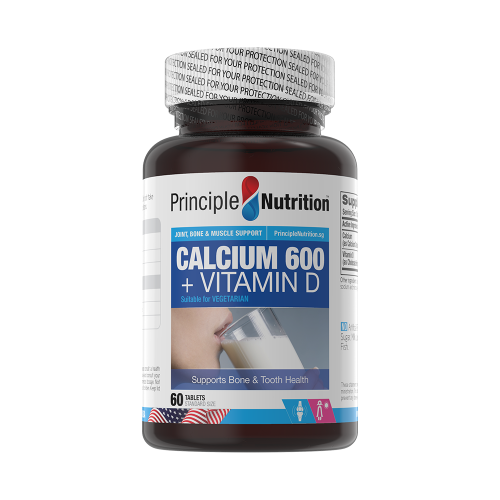
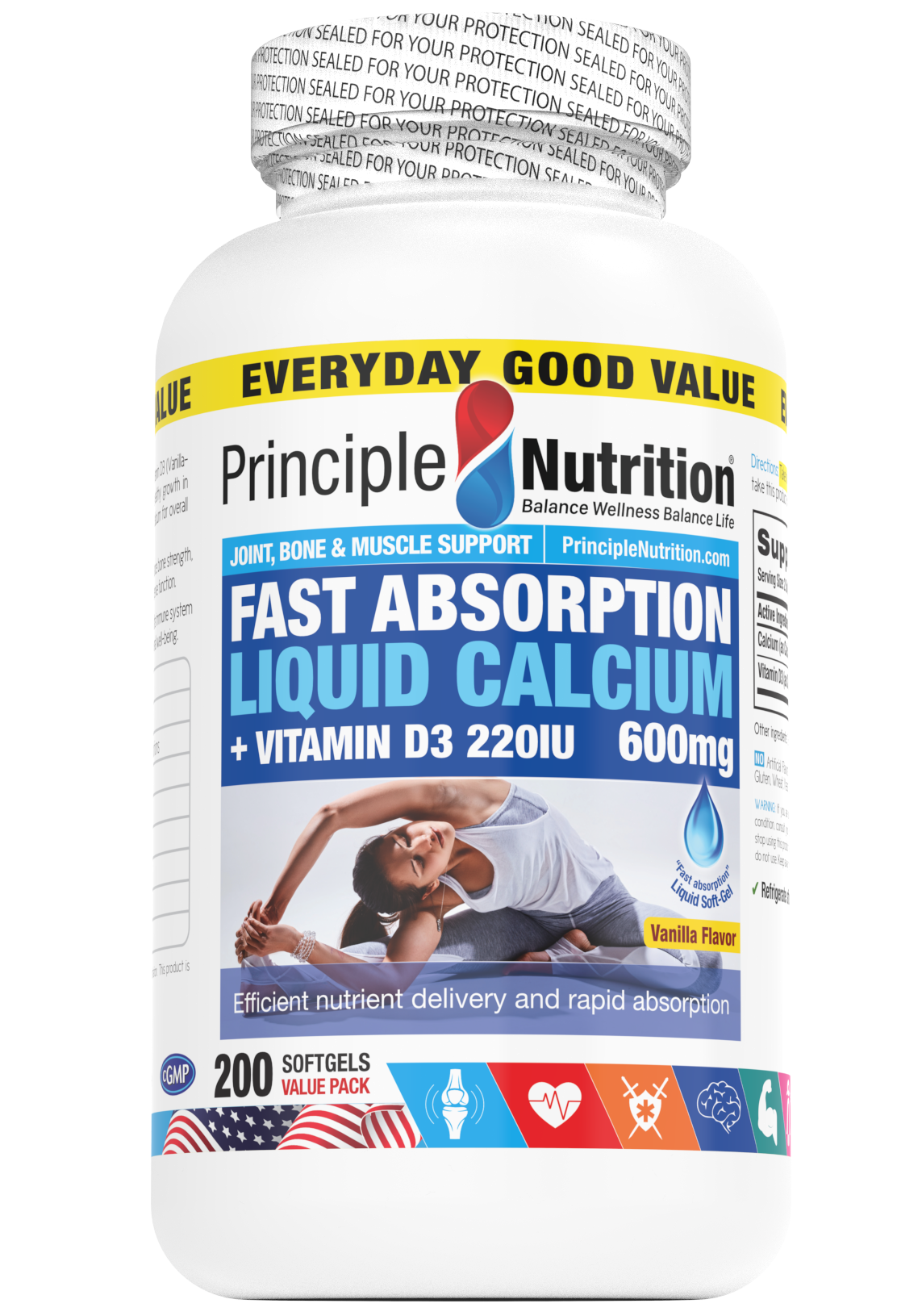
• Strength train twice weekly. Focus on the major movement patterns: sitting and standing, pushing, pulling, hinging, carrying and core stability. • Spread protein across the day. Eggs, fish, chicken, tofu, tempeh, soy milk, dairy, Greek-style yogurt, legumes and protein-fortified foods can all contribute. • Do not neglect bone health. Calcium, vitamin D, weight-bearing activity and appropriate resistance exercise work together; needs vary by age, diet, sun exposure and health status. • Keep moving between workouts. Walking, stairs, cycling and regular breaks from sitting support overall activity levels. • Recover properly. Sleep, hydration and sufficient total food intake matter if you want the body to adapt to training.
Trending Product Categories — Where They May Fit
Current active-nutrition and healthy-ageing categories include protein powders and ready-to-drink protein, creatine monohydrate, vitamin D and calcium combinations, omega-3 products, and broader healthy-ageing formulations. The right choice depends on the gap you are trying to fill. If your meals already provide enough protein, adding more may not be your highest priority. If you rarely do resistance exercise, no supplement can replace that missing stimulus.
A Simple Rule for Smarter Supplementation
Start with the outcome, not the ingredient. Ask: “What am I trying to support — strength, bone health, recovery, energy or dietary adequacy?” Then check whether food, exercise, sleep or another daily habit should be addressed first. Supplements can be valuable when they are evidence-led, correctly dosed, well-made and used for a clear reason. People with kidney disease, complex medical conditions, or prescription medications should discuss higher-protein diets or new supplements with a qualified healthcare professional. Older adults with falls, unexplained weakness or rapid loss of muscle should also seek medical assessment rather than self-treating.
The Takeaway
Muscle health is becoming one of the most practical ways to think about healthy ageing. The formula is refreshingly straightforward: use your muscles, nourish them, recover well and be selective about supplementation. The best wellness plan is not the one with the longest list of products. It is the one you can follow consistently and safely for years.
Principle Nutrition
Premium Wellness. Made Accessible. Built for Asia. USA Technology. Singapore-Led. Globally Made. Built for Asia. This article is for general wellness education and is not a substitute for medical advice. Individual needs vary, especially if you have a medical condition, take medication, are pregnant or breastfeeding, or are planning major dietary or supplement changes.
Wellness articles are provided for general educational information and should not replace personalised medical, nutritional or healthcare advice.