
Gut health has moved from a specialist topic to an everyday wellness priority. Across Asia, consumers are increasingly familiar with probiotics, prebiotics, postbiotics, synbiotics and the “microbiome.” That interest is useful — but it can also make gut health sound more complicated than it needs to be. The most credible place to start is still the foundation: a varied diet rich in naturally occurring fibre, enough fluids, regular movement and a routine you can sustain. Supplements can play a targeted role, but they work best as part of that bigger picture rather than as a substitute for it.
Start With Fibre — The Everyday Gut Essential
Dietary fibre is one of the clearest evidence-based building blocks for digestive health. The World Health Organization recommends that people over 10 years of age aim for at least 25 g of naturally occurring dietary fibre each day, while adults should also aim for at least 400 g of fruit and vegetables daily. For many Asian diets, fibre can be increased without dramatically changing familiar meals. Practical choices include: • Brown rice, oats, barley and wholegrain noodles • Beans, lentils, chickpeas and edamame • Vegetables such as okra, leafy greens, carrots, pumpkin and broccoli • Fruit such as guava, papaya, dragon fruit, apples, pears and bananas • Nuts and seeds • Traditional soy foods such as tofu and tempeh The goal is not to find one “perfect” fibre food. Different plant foods contain different fibres and compounds, so variety matters. If your current diet is low in fibre, increase it gradually. A sudden jump can cause temporary bloating or gas in some people. Drinking enough water alongside a higher-fibre diet is also important.
Think Variety, Not a Single Superfood
The gut microbiome is a complex community of microorganisms. Research continues to explore how diet influences that community, but one practical message is already clear: overall eating patterns matter more than chasing one trendy ingredient. A useful rule is to rotate your plant foods across the week. Instead of eating the same vegetable or fruit every day, vary your colours, grains, legumes, nuts, seeds and fermented foods. An Asian plate makes this surprisingly easy. One week might include brown rice, bok choy, mushrooms, papaya and tempeh; another might bring oats, pumpkin, edamame, kimchi, guava and lentils into the mix.
Fermented Foods: Promising, Traditional and Still Being Studied
Fermented foods have a long history across Asia — from yogurt and kefir to tempeh, kimchi, miso and natto. Current research suggests fermented foods may influence the gut microbiome and produce potentially useful microbial compounds, but scientists are still working out which foods, serving amounts and microbial profiles matter most. That means fermented foods can be part of a balanced diet, but they should not be treated as a cure-all. Also remember that “fermented” does not automatically mean “probiotic.” Some products are heated or processed in ways that reduce or remove live microorganisms. Certain fermented foods can also be high in sodium or sugar, so the full nutrition label still matters.
Probiotics: More Specific Than the Word Suggests
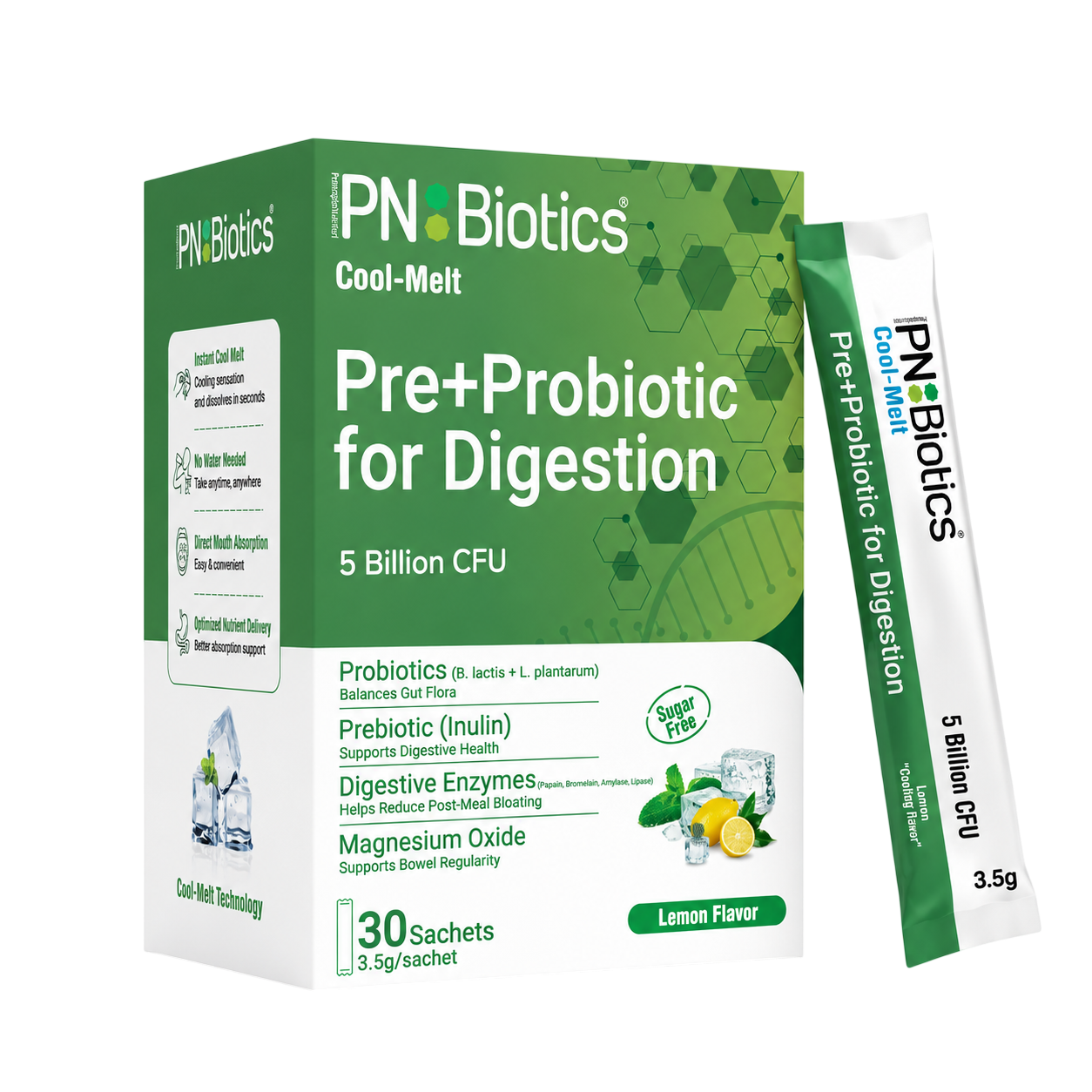
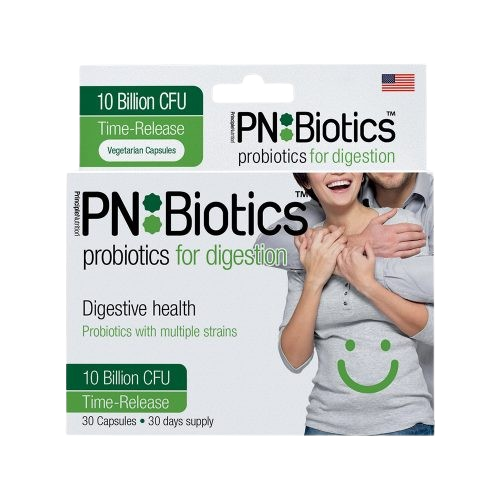
One of the biggest misunderstandings around probiotics is that they are all interchangeable. They are not. Different probiotic products can contain different genera, species and strains, and their effects may vary by strain, dose and intended use. A product containing one probiotic strain cannot automatically be assumed to deliver the same result as another. This is why a premium, science-led approach should look beyond a very large CFU number on the front of the pack. More is not always better. What matters is whether the product identifies its strains clearly, provides an appropriate amount through shelf life, is stored correctly and is supported by evidence relevant to its intended use. Current research on probiotics is promising in some areas, but evidence is not equally strong for every health claim. People with significant medical conditions, weakened immune systems, persistent digestive symptoms, or those taking regular medication should discuss supplementation with a healthcare professional.
Prebiotics, Postbiotics and Synbiotics — What Do They Mean?
These newer categories are becoming increasingly visible in Asian wellness products. Prebiotics are substrates — often certain types of fibre — that are used by beneficial microorganisms. They can come from foods or supplements. Probiotics are live microorganisms intended to provide a health benefit when consumed in adequate amounts. Synbiotics combine probiotics and prebiotics in the same concept or formulation. Postbiotics generally refer to preparations of inanimate microorganisms and/or their components that may provide a health benefit. It is a fast-developing field, and consumers should expect the science and product standards to continue evolving. The trend is moving away from a simple “good bacteria” message toward more precise, outcome-led formulations. That is positive — as long as marketing does not run ahead of the evidence.
The Practical 7-Day Gut-Health Reset
You do not need an extreme cleanse or restrictive diet to start improving your routine. Try this instead: 1. Add one extra vegetable serving to lunch or dinner. 2. Replace one refined grain serving with a wholegrain option several times this week. 3. Include beans, lentils, edamame or another pulse at least twice. 4. Rotate at least three different fruits across the week. 5. Include a fermented food you enjoy, if suitable for your diet. 6. Drink water regularly through the day, especially as fibre intake increases. 7. If you use a gut-health supplement, read the label carefully and choose a formulation that clearly explains what it contains and why.
What About the Gut-Skin and Gut-Brain Trends?
The gut-skin axis and gut-brain axis are among the most discussed areas in modern nutrition. They are scientifically interesting, and research is expanding quickly. However, consumers should be cautious of products that promise dramatic changes in mood, skin or metabolism simply by “balancing the microbiome.” The smarter approach is to view digestive health as part of whole-body wellness, not as a shortcut to every other health goal.
A Better Definition of Gut Wellness
Good gut health is not about having the largest supplement stack or following the newest detox trend. It is about supporting your digestive system consistently through food quality, fibre, variety, hydration and sensible, evidence-led supplementation when appropriate. That is wellness made practical: premium thinking, made accessible for everyday Asian lifestyles.
Principle Nutrition
Principle Nutrition — Premium Wellness. Made Accessible. Built for Asia. USA Technology. Singapore-Led. Globally Made. Built for Asia. Consumer note: This article is for general education and is not intended to diagnose, treat, cure or prevent disease. Individual needs vary. Speak with a qualified healthcare professional if you have ongoing digestive symptoms, a medical condition, are pregnant or breastfeeding, or take regular medication.
Wellness articles are provided for general educational information and should not replace personalised medical, nutritional or healthcare advice.